Thermal Drone Search for a Lost Dog or Cat: When It Actually Works
Published · 7 min read
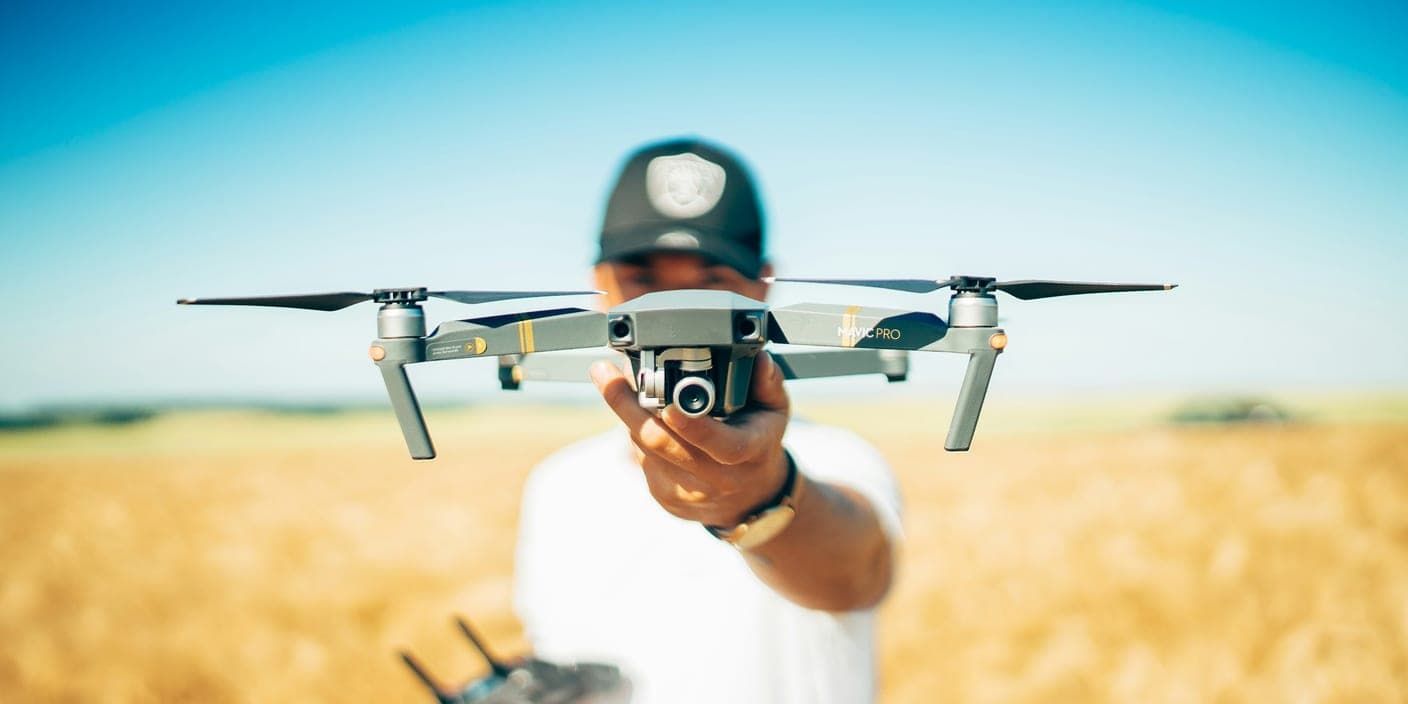
A drone with a thermal camera sees a warm body against cooler ground. That tells you when it works: at dawn over a harvested field, yes; on a hot afternoon or under the neighbour's deck, no. In the right hour, one flight covers in twenty minutes what a search line walks in a day.
What a thermal camera actually sees — and when it fails
A thermal camera does not see colours or breeds, only temperature differences: your cat or dog stands out when it is clearly warmer than its surroundings. Contrast decides, not the price of the drone.
When it works
- Before sunrise and through the night, when the ground has cooled and a curled-up animal is the warmest thing in the frame; also on cool, overcast days and on snow.
- Over open country: meadows, harvested fields, pastures, reed beds, embankments and the outer edges of hedgerows and woods.
- Along railway and motorway verges, scanned from a safe distance; if the animal is on the tracks or carriageway, call the police (112 in Europe, 911 in North America) instead.
When it mostly fails
- Sunny afternoons, when rocks, tarmac and roofs are as warm as an animal and the screen fills with false hits.
- Dense summer canopy and anything indoors — sheds, culverts, under decks: heat does not pass through leaves, walls or floorboards.
- Dense towns, where every roof, chimney and parked car glows and a cat on a garage is one dot among hundreds.
Even on a perfect morning the screen shows a heat blob, not a colour or a breed: a hare, a fox, a roe deer and the neighbour's tabby look alike. Every hit needs confirmation by zoom camera or ground team — an unconfirmed dot is a lead, not a result.
When a drone helps — and when it is the wrong tool
A drone earns its place when the animal is probably outdoors in open terrain that is too big to cover on foot:
- A dog lost in open country, on farmland or along a forest edge — above all a dog in survival mode that must be located before anyone can approach it.
- A cat seen in fields or allotments rather than its own street, or a pet that fled after a car crash or a hiking accident.
- Wet, snowy or boggy ground where a search line crawls, or a cold night with a small, short-haired or elderly animal.
The opposite case is just as clear: an indoor cat that slipped out yesterday is almost certainly within a few houses, under a deck or deep in a hedge. That is a job for a torch, not a drone — our guide on where lost cats hide covers it.
Finding a pilot: who flies thermal drones and what to check
You rarely need to buy or hire a drone yourself; someone nearby probably already flies one over animals:
- Volunteers who rescue fawns from mowers every spring — in rural areas the most experienced animal spotters, and many gladly fly for a lost pet.
- Volunteer animal-search and drone communities, and model-flying or drone clubs, where a member with a thermal camera is often one message away.
- Agricultural contractors, surveyors and deer-recovery operators, and some fire brigades or rescue organisations with a drone unit (ask the local station, not the emergency number).
- Paid pet-search drone services, worth their price when the terrain is large and the time window short.
Ask in the local Facebook groups, at the shelter and at your vet; they know who flew for the last lost dog. Keep the message short: species, size, coat, last-seen spot, terrain. Volunteers usually ask for fuel money or a donation; commercial services charge per hour or per flight and should name the price before take-off. Check insurance, registration where required and experience with animals before you say yes. Distance from uninvolved people and property, no-fly zones near airports and nature reserves, neighbours' privacy, night-flight rules — all of that is the pilot's job. You do not need to know the regulations; you need a pilot who does.
Preparing the flight: the map, the ground team, the silence
One battery gives twenty to forty minutes in the air, so the starting point decides everything. Before the pilot arrives:
- Mark the last-seen point and every sighting on one map, with date and time.
- Tell the pilot size and coat — a small cat is a tiny dot from height, and a thick coat radiates less heat.
- Get the landowner's permission for take-off and for walking in; crops and livestock pastures are off limits without it.
- A ground team of two, no more, waits at the edge with a leash, a carrier and strong-smelling food; everyone else stays in the cars.
- Phones charged, one message group, radio silence — nobody calls the animal or shouts across the field. One person, usually the owner, approaches a confirmed hit, slowly and sideways, with food.
Residents' sightings decide where those minutes go. PawAlarm shows your pet's photo as targeted Facebook and Instagram ads to the people living around the last-seen spot, plus a printable poster; every reply with a time and a place tells the pilot which field to fly first. Two independent sightings at one wood edge beat an hour of flying a grid.
How the drone fits the rest of the search
A flight is one pass at one moment: it tells you where the animal was at 5:40 this morning, nothing about where it went at 5:50. A feeding station, a camera and a targeted alert work every night without a pilot; use the drone to confirm or narrow, never to replace them.
- A confirmed heat signature at dawn becomes a feeding station on that exact spot the same evening, with a camera and, for a cat, a humane trap; the wildlife camera guide covers the setup.
- A flight that finds nothing is information too: that terrain is less likely for now, and the next station moves on.
- Fly again after new sightings, not on a schedule; the poster and the alert stay up throughout.
Frequently asked questions
- Can a drone with a thermal camera find a lost cat?
- Yes, if the cat is outdoors in fairly open terrain and the flight happens in cool conditions: before dawn, at night or on an overcast day. A cat under a deck, in a shed or deep in a hedge is invisible to the camera, and that is where most missing cats are.
- What is the best time of day for a thermal drone search?
- The last two hours before sunrise, when the ground is coldest and an animal stands out most, then the hours after dark. Sunny afternoons are almost useless because stones, roofs and bare soil are as warm as the animal.
- How much does a drone search for a lost pet cost?
- It depends on who flies. Volunteer groups — fawn rescuers, drone clubs, search volunteers — often ask only for fuel money or a donation. Commercial pet-search drone services charge per hour or per flight and should quote the price before take-off.
- Can I fly my own drone to look for my dog?
- Only if it has a thermal camera and you know the local rules on registration, distance from people and property, no-fly zones and night flying. A normal camera drone finds little in the dark and scares the animal if flown low.
- The drone found a heat signature — what now?
- Confirm it first: the pilot zooms in or switches to the daylight camera while the drone stays high. If it is your animal, one person walks in slowly, sideways, with food; everyone else stays back. If it cannot be approached, the spot becomes a feeding station with a camera the same evening.
You might also like
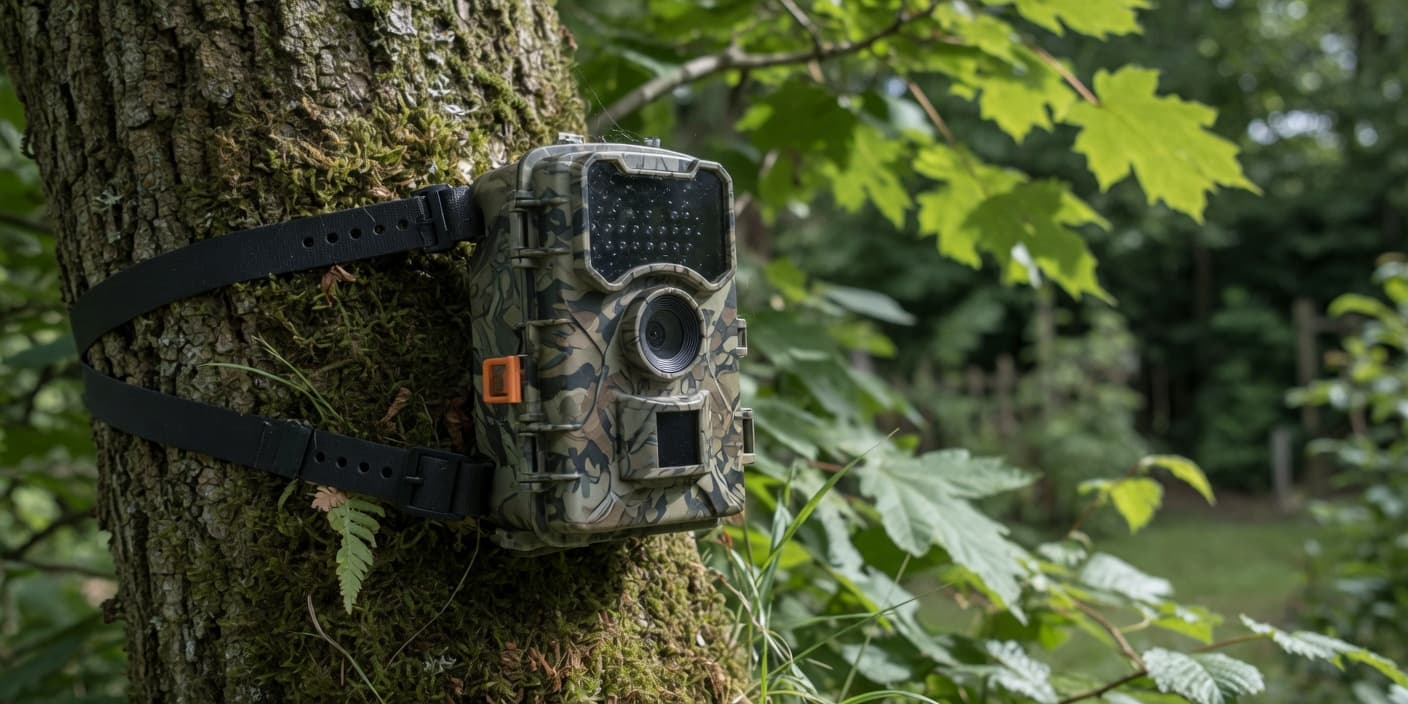
Wildlife Camera to Find a Lost Pet: Feeding Station Setup
Why a cheap trail camera is the most underused tool in pet recovery — and how to set up camera and feeding station so you get a real lead, not guesswork.
7 min read
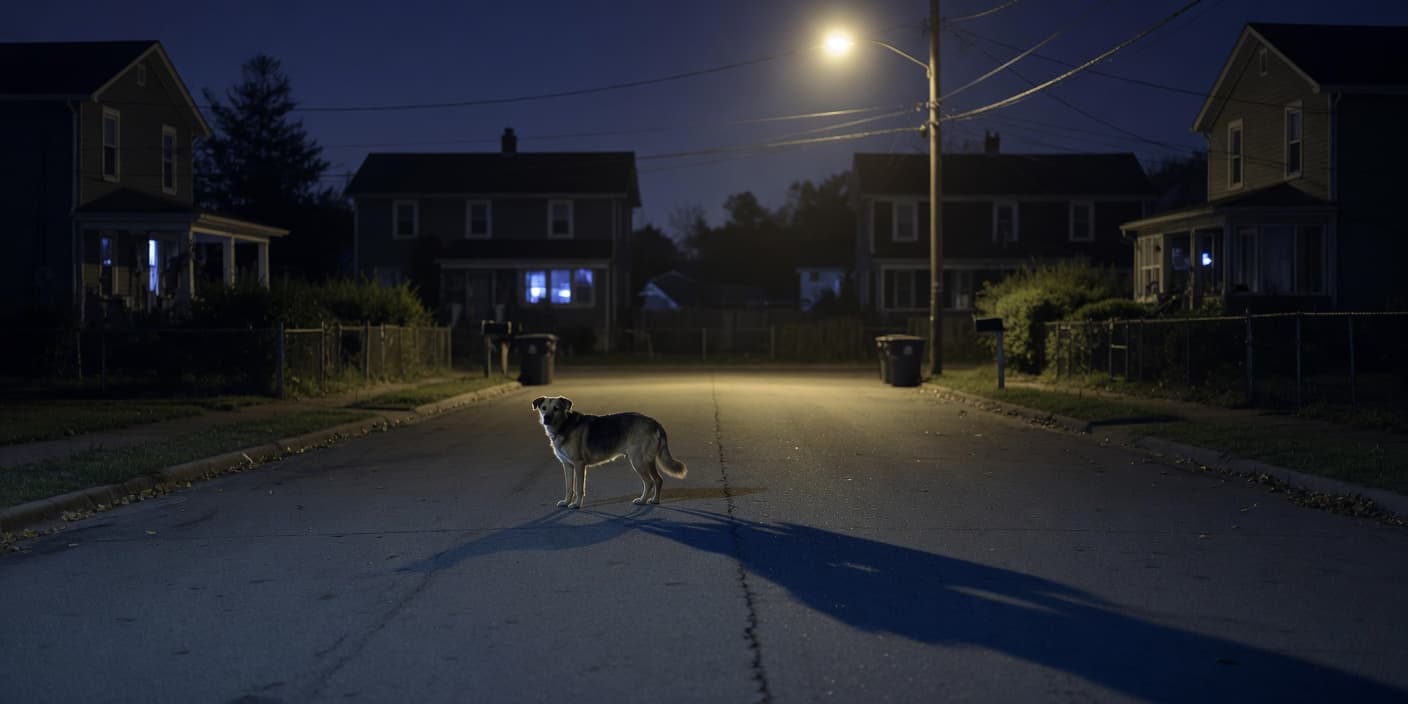
How to Find a Lost Dog at Night: Where Dogs Go
Why night is an advantage: where frightened dogs bed down after dark, how to search slowly with light and sound — and how to react to a night sighting.
7 min read
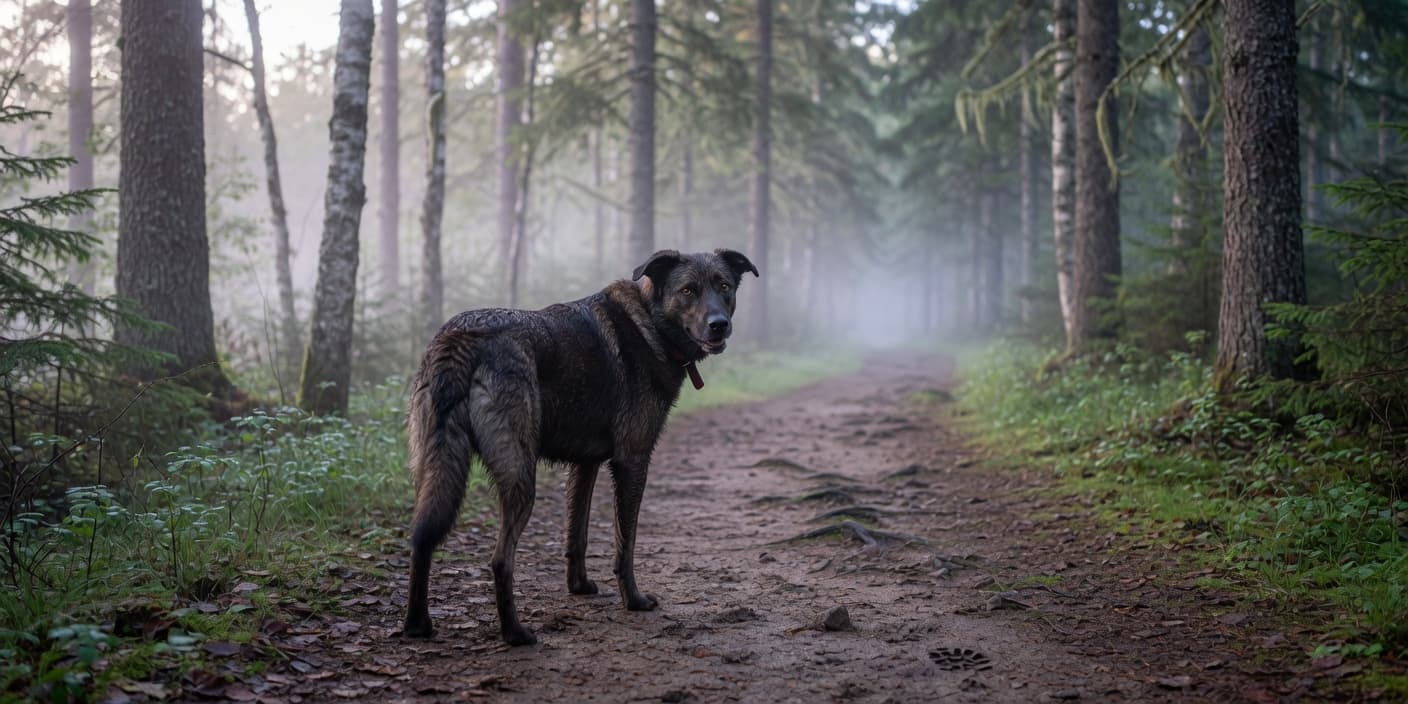
Dog Lost While Hiking: How to Search the Woods the Right Way
Woodland searches follow different rules than neighbourhood ones: a scent anchor at the last-seen point, silent listening at dawn, and the right people to alert.
7 min read

Where Do Lost Cats Hide? (Closer Than You Think)
Why a lost cat usually sits silently nearby — and how to search methodically in the small radius where it's actually hiding.
8 min read