How to Find a Lost Dog: A Step-by-Step Search Plan
Published · 9 min read
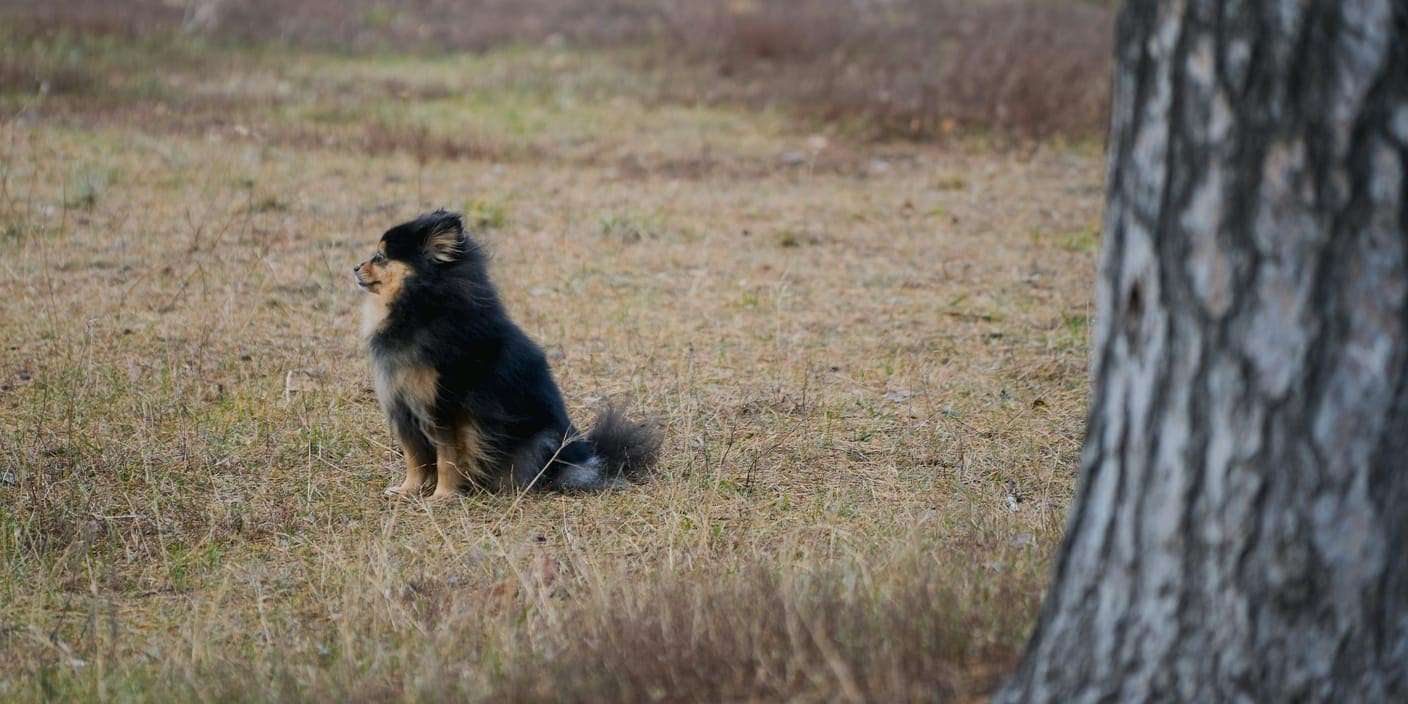
To find a lost dog, search outward from the place it went missing and along the route home, leave something that smells of home at the escape point, and tell everyone a found dog could be brought to: neighbours, shelters, vets, the local authority and your microchip registry. Then get your dog's photo in front of as many local people as possible, and ask them to report sightings rather than chase, because a frightened dog runs from everyone, including you.
This guide is the complete method, from the first evening to the weeks after. If your dog went missing in the last few hours, work through the first-24-hours checklist first, then come back here for the full plan.
Step 1: Work out how far your dog could have gone
Dogs and cats go missing in opposite ways. A lost cat usually hides silently close to home; a lost dog travels. How far depends far less on breed than on how your dog behaves once it is loose, and on what made it run in the first place. Read your dog first, and your search radius follows.
- Confident, sociable dogs roam the furthest. They follow scents and people, often in fairly straight lines, and are frequently picked up by a stranger.
- Cautious dogs usually stay closer but move in irregular loops, turning up in one place and then another.
- Fearful or shy dogs drop into survival mode. They hide close to where they got loose, avoid people and barely react to being called.
- Panic from fireworks, a thunderstorm, a bang or an accident can send any dog running for kilometres before it slows down.
Size, fitness, terrain and weather shift the picture too. Small dogs are usually found closer, while big, athletic dogs cover more ground. Open countryside lets a dog travel further than streets and fences do, and heat, cold or heavy rain send it looking for shelter sooner.
- Core zone: the first few hundred metres around the escape point. Search it thoroughly, including hedges, gardens, garages, sheds and undergrowth.
- Near radius: roughly one to two kilometres (about a mile). Most dogs are found early and within this area, so knock on doors and talk to people here.
- Wide radius: five kilometres (about three miles) and more for panicked, large or long-missing dogs, especially along footpaths, streams, field edges and quiet roads.
Dogs tend to follow the path of least resistance, while busy roads, solid fences and dead ends redirect them. Also check the places your dog knows: its usual walks, the park where it plays, a previous home, and the houses of friends or family it visits.
Step 2: Search on foot, and never chase
Start at the exact spot your dog was last seen and walk the route home, then work outward zone by zone. Ask one person to stay at home with the door in view: many dogs come back on their own, and someone needs to be there when they do. Bring strong-smelling treats, a favourite toy or the sound your dog knows best, such as a squeaky toy or a rattling treat tin.
- Leave your dog's bed, a worn blanket or a piece of your unwashed clothing at the escape point, with water. A familiar scent gives your dog a reason to stay or return.
- Call in a calm, happy voice, then stop to listen. Shouting sounds like anger to a frightened dog.
- If you see your dog, don't run towards it. Crouch down side-on, look away and toss treats on the ground. Let it come to you.
- Search again at dawn and dusk, when it is quieter and dogs are more likely to move.
A scared dog may not even seem to recognise you. That isn't rejection: in survival mode, a dog treats every person as a possible threat, its owner included. It can take hours or days for it to come out of that state, and every chase pushes it further away or towards traffic.
Step 3: Report your dog everywhere a found dog ends up
When a stranger picks up a dog, it goes to one of a handful of places. Make sure your dog is registered as missing at every one of them, and keep a recent photo, a short description and the microchip number ready so each call takes a minute.
- Animal shelters and rescues in the area. Don't rely on a phone call alone: visit in person, look at the dogs yourself and repeat that every few days. Descriptions over the phone get mixed up.
- Vets and emergency clinics nearby. Injured or found dogs are often brought here first, and staff scan for a microchip.
- The police or your local authority's animal service, depending on who handles found dogs where you live.
- Your microchip registry. Report your dog as missing and check that your phone number and address are current.
- Lost-and-found listings and local groups, which you check every day for found-dog reports.
A microchip is not a GPS tracker: it doesn't show where your dog is. It identifies your dog the moment a vet or shelter scans it, which is why current registry details matter so much. In a US study of more than 7,700 shelter animals (Lord et al., 2009), microchipped dogs were returned to their owners about 52% of the time, compared with about 22% for dogs without a chip.
Shelters matter, but they are rarely where a dog is found. In a large US survey (ASPCA, 2012), 93% of lost dogs made it home: 49% were found by searching the neighbourhood, 15% thanks to an ID tag or microchip, and only 6% at a shelter. The search on the ground and the people around you do most of the work.
Step 4: Get the whole area looking: posters, local groups and a targeted alert
You can't be in every street at once, but the people who live and walk there can. The aim is simple: as many people as possible within your search radius should know what your dog looks like and what to do if they see it.
- Posters: a large, clear photo, the word LOST, the place and date, your phone number and the line 'Please don't chase, call me'. Put them up at eye level at junctions, shops, vets, bus stops and park entrances.
- Flyers: hand them to dog walkers, postal workers, delivery drivers and anyone who is out early or late, and put them through letterboxes in the near radius.
- Local Facebook groups, neighbourhood apps and lost-and-found pages: post the photo, the last-seen place and the same 'don't chase' request.
- A targeted alert: PawAlarm shows your dog as an ad on Facebook and Instagram to people around the last-seen place, including those who aren't in any lost-pet group.
Keep a sighting log. Write down every report with the time, the place and the direction the dog was heading, and mark it on a map. After a few sightings a pattern usually appears: a route, a feeding place or a resting spot. That pattern tells you where to put your effort, your posters and your next alert.
Step 5: Your dog has been seen but won't come: night searches, feeding stations and traps
Many dogs that have been loose for a while hide during the day and move at dawn, at dusk and at night, when the streets are quiet. If the sightings come in at those times, search then too: slowly, with a torch, and stopping often to listen.
- Set up a feeding station at the place of a confirmed sighting: fresh, strong-smelling food and water, at the same time every day.
- Put a trail camera in front of it. It tells you whether the visitor is really your dog, and when it comes.
- Once your dog eats there reliably, sit quietly nearby at that time, side-on and looking away, and let it come closer at its own pace.
- If it still won't approach anyone, borrow a dog-sized humane trap from a shelter or a lost-dog rescue group and set it up at the station with their help, never unattended.
- For a social dog, a calm, friendly 'magnet dog' walked through the area on a loose lead can draw it in when it no longer trusts people.
From the first feeding to getting your dog home can take days or weeks. That isn't failure; it is how many long-loose dogs are actually recovered: their people knew exactly where they showed up each night.
Step 6: Keep going: widen the search over days and weeks
If the first days bring no result, your dog may have gone further than you thought, or someone may have taken it in. That changes the method, not the goal.
- Widen your radius in the direction of the sightings, not evenly in every direction.
- Refresh your posters, replace torn or faded ones, and put up new ones where sightings come in.
- Keep visiting shelters in person, including ones further away, and keep checking found-dog listings.
- Keep your microchip registration, your listings and your alert current, so anyone who finds your dog can reach you.
- Remind people: a new post in local groups after a week reaches everyone who missed the first one.
Dogs are found after weeks, sometimes far from where they went missing and sometimes much closer than expected. There is no fixed point after which searching stops making sense. If you have to slow down, keep your registry details, listings and posters active anyway.
Finding a lost dog is rarely a single lucky moment. It is a calm routine: the right radius, a search on foot without chasing, every official place informed, and as many local eyes as possible watching for your dog. Keep that routine going and you give your dog the best chance of coming home.
Frequently asked questions
- What is the best way to find a lost dog?
- Combine a calm search on foot with wide local awareness. Search the escape point, the route home and the places your dog knows; inform shelters, vets, the local authority and your microchip registry; and get the photo in front of people in the area through posters, local groups and a targeted alert. In a large US survey, almost half of lost dogs were found by searching the neighbourhood.
- Can you find a lost dog with a microchip?
- Not by tracking it: a standard microchip has no GPS and doesn't transmit a location. It identifies your dog when a vet or shelter scans it, and the registry then connects it to you. Report your dog as missing to the registry and check your details are current. In a US study, chipped dogs were returned to their owners about 52% of the time, against about 22% without a chip.
- Will my dog come back home on its own?
- Some dogs do, especially confident dogs that went missing close to home. Don't rely on it, though. Leave a familiar scent item at the escape point, keep someone at home, and search actively at the same time. A frightened dog in survival mode often hides instead of heading home.
- Where do lost dogs usually go?
- It depends on temperament. Frightened dogs hide close to where they got loose, in hedges, gardens, garages or undergrowth. Confident dogs follow scents, paths and people and can travel far. Many dogs follow the path of least resistance, such as footpaths, field edges and streams, and some head for places they know.
- How long should I keep looking for my lost dog?
- Longer than you might think. Dogs are found after weeks, often through a single sighting or a microchip scan. If you have to slow down, keep your registry details, listings and posters active, check shelters regularly and follow up every sighting.
You might also like

Lost Dog: What to Do in the First 24 Hours
A calm, step-by-step action plan for the first 24 hours after your dog goes missing.
7 min read

How Far Do Lost Dogs Travel? Set Your Search Radius Right
Temperament, what spooked them and the terrain decide how far a lost dog goes — and how to plan your search radius wisely.
7 min read
How to Catch a Scared Lost Dog That Won't Come to You
Catching is technique, not a chase: how calming signals, a feeding station, and patience bring home even a dog in full survival mode.
8 min read
Chances of Finding a Lost Dog: 24 Hours, 48 Hours, a Week
93% of lost dogs are recovered — what the numbers actually say about the first 24 hours, the first few days, and the weeks after that.
7 min read