Wildlife Camera to Find a Lost Pet: Feeding Station Setup
Published · 7 min read
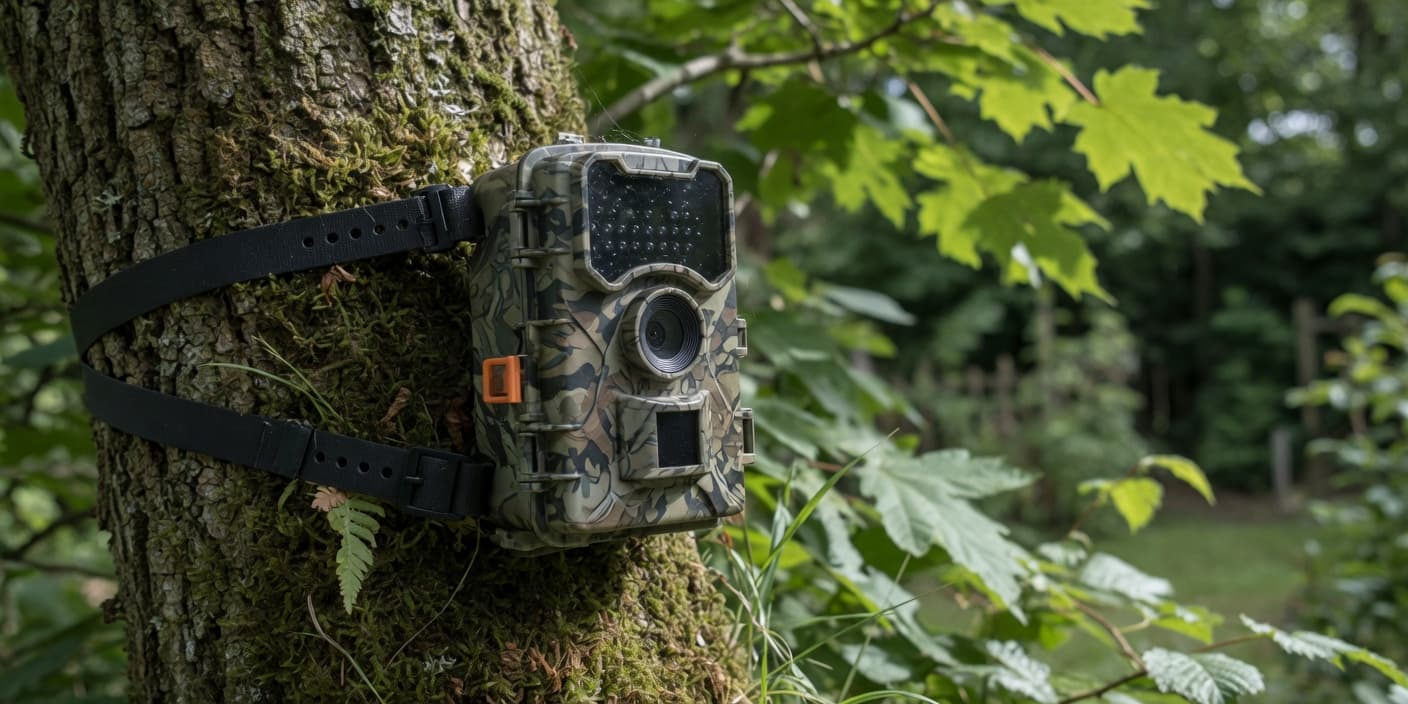
Roughly half of all reported sightings turn out to be the wrong animal. That is the quiet problem in every lost-pet search: someone calls about a tabby three streets away, you spend half a night standing in the cold, and it is the neighbour's cat. A wildlife camera — the same cheap trail camera hunters strap to trees — settles that question while you sleep. It is the single most underused tool in pet recovery, and it costs less than a few aimless nights of searching.
Why a camera beats another night of searching
Because it answers the exact three questions you cannot answer on foot:
- It confirms identity. You see the white chest patch, the kinked tail tip, the collar — instead of a phone description that fits every third cat in the neighbourhood.
- It works at 2 a.m. Frightened cats and dogs in survival mode move when the streets are empty. That window is exactly when you are not there.
- It gives you a schedule. Timestamps tell you when the animal comes, which tells you when to set a humane trap or quietly take up position yourself.
- It proves the animal is alive and still in the area. That changes where you spend your next ten nights.
Which camera to get (cheap really is fine)
Any camera in the $60 to $100 range does the job. You are not filming a nature documentary, you just need to know who empties the bowl. What does matter:
- Infrared with black LEDs (940 nm, sold as no-glow). White-flash cameras startle shy animals and can kill a feeding station for days.
- Trigger speed under half a second, or you will photograph the empty path a cat just left.
- A 32 GB card and lithium AA batteries — they last far longer than alkaline in the cold.
- Optional: a cellular model that sends photos to your phone. It needs a SIM and costs more, but it earns its price when the station sits in someone else's garden or you cannot visit daily.
- Ask before you buy. Hunters, farmers, shelters, cat rescues, TNR groups and some vets lend trail cameras out — often together with a humane trap.
Set the camera to a burst of three photos with about ten seconds between triggers. Video eats the card and the batteries, and for identifying an animal a sharp still is almost always better.
The feeding station: one spot, same time, no scattering
A camera is only as good as what it points at. A feeding station is not a bowl in the grass — it is a routine a suspicious animal can rely on.
- Pick one single location, at or right beside the last confirmed sighting, tucked against a hedge, wall, garage or shed. Open lawns produce nothing: cats travel along edges.
- Put out one bowl of strong-smelling wet food and one bowl of water. Same place, same time, ideally at dusk.
- Feed nowhere else, and ask neighbours not to either. A well-fed animal does not come back reliably, and later it will not enter a trap.
- Place familiar scents beside the station: a worn T-shirt, the blanket from its bed, and for cats the used litter tray.
- Mount the camera about two metres (six feet) from the bowl, 30 to 50 centimetres above the ground, tilted slightly down. Mounted at chest height you will film cat backs, or nothing at all.
- Aim it away from sunrise and sunset. Low sun produces hundreds of blank images and washes out the very animal you are looking for.
- Cut back grass and branches inside the frame — moving vegetation is the number one cause of 800 useless photos a night.
- Set the date and time correctly before you strap it up. Wrong timestamps make the whole schedule worthless.
- Finally, crawl through the frame yourself on all fours. That is the only way to check the sensor actually triggers at cat height.
Reading the footage: from timestamps to a catch plan
Give the camera three nights before you draw any conclusion. Then read the images as data, not as souvenirs.
- Is it your animal? Infrared images are greyscale, so coat colour will not help you. Judge size relative to the bowl, tail shape, ear tips, collar, gait, and white markings.
- Write down every arrival time. Shy cats usually settle into a 30 to 60 minute window, typically between 11 p.m. and 2 a.m., with a second window before dawn.
- Note which side of the frame the animal enters from and where it leaves. That direction points at the hiding place.
- Look at the other visitors. If a fox empties the bowl at 10 p.m., your cat arrives at 1 a.m. to nothing — so feed later, or put the food inside a narrow tunnel or box.
Once the same animal shows up three nights running inside a stable window, you have enough. Set the humane trap exactly where the bowl stood, armed about an hour before the earliest recorded arrival — and never leave it unattended. Leave the camera in place while you trap: it tells you what happened between your checks.
Camera, trap and alerts working together
A camera watches exactly one spot. Which spot deserves it is something only the people living there can tell you. With PawAlarm your alert reaches residents around the last sighting as Facebook and Instagram ads, and every reply is a candidate location for the next camera position. When two independent people report the same back garden, that is where the feeding station belongs — not where it is most convenient for you.
That is the loop that actually finishes searches: reports narrow the area, the camera confirms the animal, the timestamps pick the moment, and the trap or your own quiet presence does the rest. Think in days rather than hours — and in the meantime the camera keeps working every night, including the ones you spend asleep.
Frequently asked questions
- Does a trail camera really help find a lost cat?
- Yes, above all because it confirms or rules out sightings. A large share of reported sightings involve a similar-looking stranger cat, and the camera shows you in black and white who actually visited the feeding station. It also gives you the arrival times, without which setting a humane trap is pure guesswork.
- Where should I put a wildlife camera to catch a lost cat?
- About two metres from the food bowl, 30 to 50 centimetres above the ground, tilted slightly downward. Choose a sheltered edge — hedge, wall, fence, shed — and point the camera away from sunrise and sunset. Clear branches and tall grass out of the frame first, or the camera will trigger on moving leaves all night.
- How long before my pet shows up on the camera?
- Usually somewhere between the first and the seventh night. If three nights bring nothing but hedgehogs, raccoons and neighbourhood cats, the location is probably wrong — move the feeding station 50 to 100 metres toward the last credible sighting instead of abandoning the method.
- What food should I put at the feeding station?
- Anything that smells intensely: sardines, tuna in oil, warmed rotisserie chicken, or pungent wet food. Always add a bowl of water. Use small portions but put them out every evening at the same time — reliability matters far more than quantity.
- Can a game camera help find a lost dog?
- Yes, but in different places. Dogs cover much greater distances, yet they often return to food sources, to their own home, or to the place they went missing. Put the camera where food and water are, and combine it with reported sightings — a dog in survival mode frequently stops responding even to its own name.
You might also like

How to Trap a Lost Cat: Humane Trap Guide That Works
When a humane trap is the right move, how to set and bait it correctly — and how to catch even a trap-shy cat safely with a drop trap and patience.
7 min read
How to Lure a Lost Cat Back Home: What Actually Works
A feeding station, quiet dusk hours and an open door bring cats home — litter boxes and dirty laundry don't. Here's what actually works.
7 min read
Dog Lost While Hiking: How to Search the Woods the Right Way
Woodland searches follow different rules than neighbourhood ones: a scent anchor at the last-seen point, silent listening at dawn, and the right people to alert.
7 min read
Thermal Drone Search for a Lost Dog or Cat: When It Actually Works
What a thermal camera can and cannot see, where to find a pilot, and how not to flush the animal you have just found.
7 min read