Lost Dog: What to Do in the First 24 Hours
Published · 7 min read

The moment you realise your dog is gone, panic takes over - and panic is exactly what helps least right now. Here is the reassuring truth: most lost dogs are found, and the first few hours matter most. Take one deep breath. This guide walks you calmly through the first 24 hours in the right order. Work through it step by step and you will have done everything that makes a difference right now.
Act immediately - but do not give chase
The first 30 minutes often decide a lot. A dog that has just bolted usually stays nearby at first, drawn by familiar smells and sounds. That is your advantage - use it with a calm, focused search rather than a frantic chase.
- Stay calm: dogs read your stress and are more likely to run from it than toward it.
- Search the immediate area first - where your dog was last seen, and along the route home.
- Never run after your dog. To a dog it looks like a game or a threat, and it only pushes them further away.
- If you spot your dog, crouch down, turn slightly side-on, and call in a happy, relaxed voice. Many dogs will come back on their own.
Grab a favourite toy, some strong-smelling treats, or a squeaky treat tin. A familiar sound often works far better than calling out.
Alert neighbours and the area fast
The more eyes searching in the first hours, the better. You cannot be everywhere at once - but your neighbourhood can.
- Knock on the nearest doors and ask people to check garages, sheds, gardens, and hedges - frightened dogs love to hide in those spots.
- Talk to anyone out and about: joggers, dog walkers, people on a stroll. Ask directly whether they have seen a dog.
- Leave someone at the spot where your dog went missing, in case they come back on their own - it happens more often than you would think.
- Give your phone number to everyone you speak to.
Notify the right places
Alongside your on-the-ground search, notify the official points of contact. If a stranger finds your dog, this is where they usually end up.
- Animal shelters and rescues in the area - call them and send a photo.
- Vets and animal clinics nearby: found or injured animals are often brought here first, and staff can scan the microchip.
- Police or your local authority - in many places, found animals are reported there.
- The microchip registry where your dog is enrolled. Check that your contact details are current - this is the fastest way to be reunited if your dog is scanned.
Keep the microchip number, a good photo, and a short description handy so every call goes quickly.
Use scent - and get visible online
Dogs find their way home with their noses. You can lean into that instinct while reaching as many nearby people as possible at the same time.
- Place your dog's bed, a worn blanket, or a piece of your clothing just outside the door. The familiar scent helps your dog find the way home.
- Add some water and a little food, but keep the spot quiet and keep an eye on it.
- Share your alert in local Facebook groups, neighbourhood apps, and regional lost-and-found pages.
- A targeted online alert - for example through PawAlarm - shows your missing dog to exactly the people who are near where they disappeared. Hundreds of neighbours end up searching with you, without you having to reach each one personally.
Also print a simple flyer with a large photo, the location, the date, and your phone number. Put it up where people will see it: the supermarket, the vet, bus stops, and park entrances.
Keep going - even after the first hours
If your dog is not back by evening, that is no reason to give up. Many dogs reappear only after several hours, often at dusk or during the night when things are quieter. Keep searching, keep the spot smelling familiar, and check shelters and online reports regularly. With a calm head, fast alerts, and plenty of helping eyes, the odds are good that your dog will be home soon.
For the days and weeks after the first 24 hours, follow the complete search plan.
Frequently asked questions
- What is the very first thing I should do if my dog goes missing?
- Stay calm and immediately search the immediate area, especially toward home. Bring treats or a familiar toy, and do not chase your dog - crouch down and call calmly instead of running after them.
- How fast do I need to act?
- As fast as possible. The first few hours are critical because your dog is usually still nearby. Get your alert out right away - a quick post with a photo does more good than a perfect one posted the next day.
- Why should I not run after my dog?
- A person running toward them looks like a game or a threat and pushes the dog further away. It is far better to make yourself small, call in a calm and happy voice, and lure your dog in with scent or a familiar sound.
- Where should I report my dog missing?
- Notify nearby shelters, vets, the police or local authority, and the microchip registry where your dog is enrolled. Then share the alert online - in local groups and through a targeted alert that reaches neighbours nearby.
- Does putting my dog's bed outside actually help?
- Yes. Dogs navigate strongly by scent. A dog bed, a worn blanket, or a piece of your clothing by the door can help your dog find the way home. Keep the spot quiet and watch it.
- How does an online alert reach nearby neighbours?
- Services like PawAlarm run targeted ads on Facebook and Instagram that show your missing dog to the people who are right now near where it disappeared. That puts many neighbours on the lookout without you having to contact each one individually.
You might also like
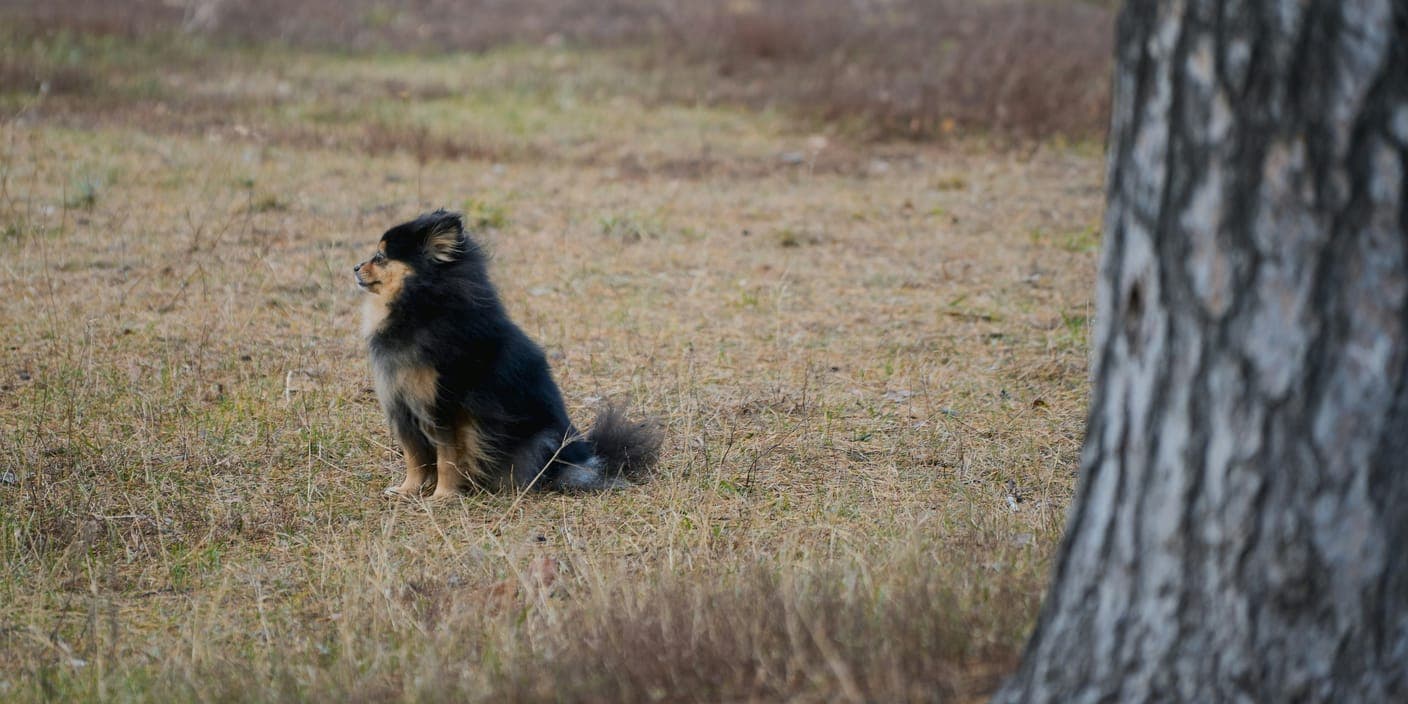
How to Find a Lost Dog: A Step-by-Step Search Plan
The complete search plan for a lost dog, from setting your search radius and searching without chasing to posters, alerts, feeding stations and the weeks after.
9 min read

Lost Dog Syndrome: Why Your Dog Runs From You
Why a frightened dog in flight mode stops recognizing even its owner — and how to calmly win it back.
8 min read

How Far Do Lost Dogs Travel? Set Your Search Radius Right
Temperament, what spooked them and the terrain decide how far a lost dog goes — and how to plan your search radius wisely.
7 min read

How to Make a Lost-Pet Poster That Actually Works
A poster that works needs one big photo, one huge word, and only the essentials. Here is exactly how to build and place it.
7 min read