Pet Lost on Holiday: What to Do at a Cottage, Campsite or Abroad
Published · 7 min read
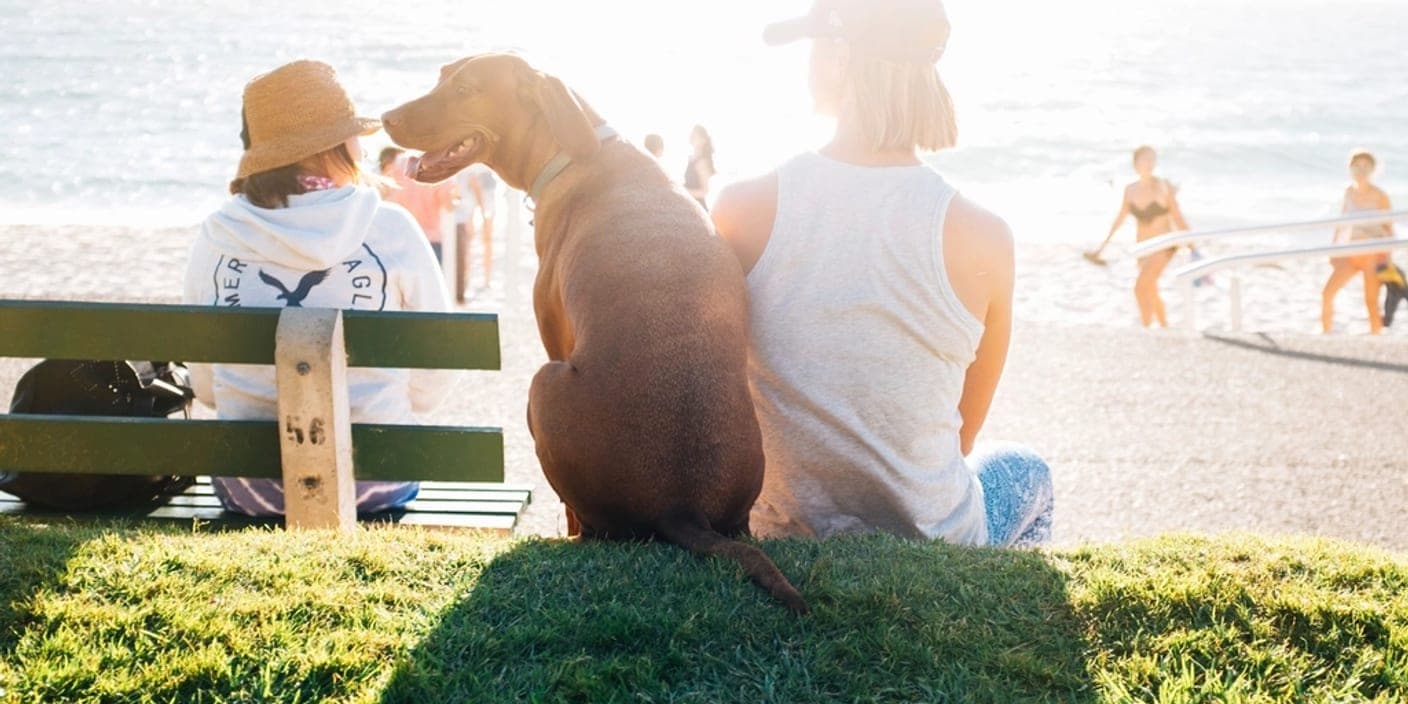
A pet that goes missing on holiday is lost in a place it does not know. There is no familiar door to return to, you may be leaving in three days, and the people who could help do not know you or your language. Three situations come up again and again.
Escaped at the holiday address: your pet has no home to run back to
At a cottage, campsite or hotel your pet has slept a few nights at most. It does not orient on the building but on you, your car and your scent. And a frightened animal in unfamiliar terrain rarely travels far: it hides within a few hundred metres.
- Make the escape point your base: the car parked where it stood when the pet ran off, or the porch of the tent or rental, with a worn T-shirt, the pet's blanket and water. One person stays there.
- Search the first 300 metres (1,000 feet) slowly on foot in the first hour — call briefly, stop, listen. Look low: under caravans, decking, boats and hedges. Then widen to a kilometre (0.6 miles).
- Tell reception, the host and the neighbouring pitches within the hour — they have a loudspeaker, a guest group chat and staff who drive round at dawn. Give them a photo and your number.
- At dusk and first light sit quietly at the base with food: a dog in survival mode avoids a search party but creeps out to one calm, familiar person. Do not chase it — sit sideways, look away, wait.
Missing while you were away: running the search from a distance
Now you are 800 kilometres (500 miles) away and the person on the ground is a sitter, a kennel or your parents. Two things decide the outcome: that person stays cooperative — so no blame, whatever happened — and the work is split. They own everything physical, you own the phone.
- Get the facts in one call: the last-seen point as a map pin, the exact time, what happened, the direction, what the pet was wearing, the latest photo. Share it with every helper.
- Agree who is on site when: the sitter at dawn and dusk, a neighbour at midday, you on every call. The sitter runs a feeding station at the door the pet left from, with a worn item of your clothing.
- Posters carry a local number that is answered, with yours in international format underneath. You report the pet to the chip registry, ring the shelters and vets and post in the local groups.
- Give the sitter one written plan in a shared chat with the next check-in time. Five people sending different instructions is how searches fall apart.
Lost abroad: language barrier, chip registries and paperwork
Abroad the search is the same. What changes: you cannot explain yourself, you do not know the local system, and the chip has to work across a border.
- Three or four short phrases in the local language on the poster — ‘lost dog’, the name, ‘do not chase’, ‘please call’ — checked by your host, not by an app alone. One local person who speaks the language takes the calls.
- Report the pet missing to your home chip registry. A vet or shelter abroad who scans the chip can trace the number through Europetnet to that registry — and reach you only if your number is stored with the country code.
- Visit the nearest vets and the local shelter in person with a photo and the chip number, and ask who collects strays in that municipality — often an animal control service or the council.
- Paperwork can wait, but know the shape of it: a pet found after you have left needs its pet passport with a valid rabies vaccination to travel, and some routes add a treatment or a waiting period.
When you have to leave before your pet is found: the stay-behind plan
Leaving does not mean stopping; it means handing over a search that keeps running without you. Pets are reunited weeks after the owner has gone home, because someone kept the local end alive.
- Find your stay-behind person — the host, the campsite owner, a neighbour or the local animal welfare group. They keep the feeding station going, refresh the scent with your worn clothing, and take local calls.
- Leave 20 to 30 printed posters with the local number at reception, the vet, the bakery and the supermarket, and brief every shelter and vet with the chip number, three photos and both contacts.
- Keep a targeted alert running around the spot while you are home: with PawAlarm your pet's photo is shown as Facebook and Instagram ads to the people living around the last-seen point, replies reach your phone wherever you are, and you get a printable poster. A post in your home town will not reach that village.
- Come back for a confirmed sighting — a photo, a camera image, two independent reports of the same place — not for every vague call. A dog out for a week often approaches only its owner.
Prevention for the next trip
Almost every holiday loss has the same causes — an unknown fence, an unfamiliar door, a firework — and the fixes are cheap.
- A tag with your mobile number in international format and roaming switched on, so it works from any country.
- Chip registration checked before you leave: correct number, a second contact, no old address. A GPS tracker helps only if its subscription covers the destination country.
- Harness plus lead for the first days at every new place, even for a dog that is reliable at home. Cats stay indoors at a rental or wear a harness and line.
- Walk the fence before the first off-lead moment: gaps under hedges, gates that do not latch, balcony railings, a cat flap left open by the previous guest.
- A written checklist for the sitter: photos, chip number, your vet's number, ‘never off-lead’, the door routine, a poster file ready in advance — and this guide.
Frequently asked questions
- Will my dog come back to the holiday cottage on its own?
- Sometimes, but do not build the search on it. The cottage is a place your dog has slept a few nights, not ‘home’. Dogs orient on their people, the car and scent — a base at the escape point with your worn clothes gives it something to come back to.
- Should I travel back if my pet went missing with the pet sitter?
- For a dog in the first days, usually yes: your voice and scent are the strongest lure, and a frightened dog may approach nobody else. For a cat, often not at once — it is very likely hiding within a few houses of the sitter's door. Return after two or three days without a sign.
- How do I search for a lost pet in a country where I don't speak the language?
- Have a local person translate a few short phrases for the poster and find one contact who speaks the language and takes the calls. Visit the vets and the shelter in person with a photo and the chip number.
- What happens if my pet is found after I have gone home?
- A vet or shelter scans the chip, looks up the registry and calls the number stored there — which is why it must include the country code and be answered. Your stay-behind person collects the pet, a local vet checks it over, and you arrange the journey home together.
- Which documents does my pet need to travel home after being found abroad?
- Usually the pet passport with a valid rabies vaccination, plus whatever the route home requires — some countries add a treatment or a waiting period. Rules depend on the countries involved and change, so ask a vet on site and your vet at home.
You might also like
Dog Lost While Hiking: How to Search the Woods the Right Way
Woodland searches follow different rules than neighbourhood ones: a scent anchor at the last-seen point, silent listening at dawn, and the right people to alert.
7 min read

Cat Lost After Moving House: How to Get Them Back
A cat that vanishes after a move is a displaced cat: silent, close by, in survival mode. Here is how to search the new home, the street and the old address.
7 min read

My Pet Is Microchipped — Will the Chip Help Find It?
A microchip only brings your pet home if the registry has your current details — here is how registries work and the 10-minute check to do today.
6 min read

How to Make a Lost-Pet Poster That Actually Works
A poster that works needs one big photo, one huge word, and only the essentials. Here is exactly how to build and place it.
7 min read