How to Catch a Scared Lost Dog That Won't Come to You
Published · 8 min read
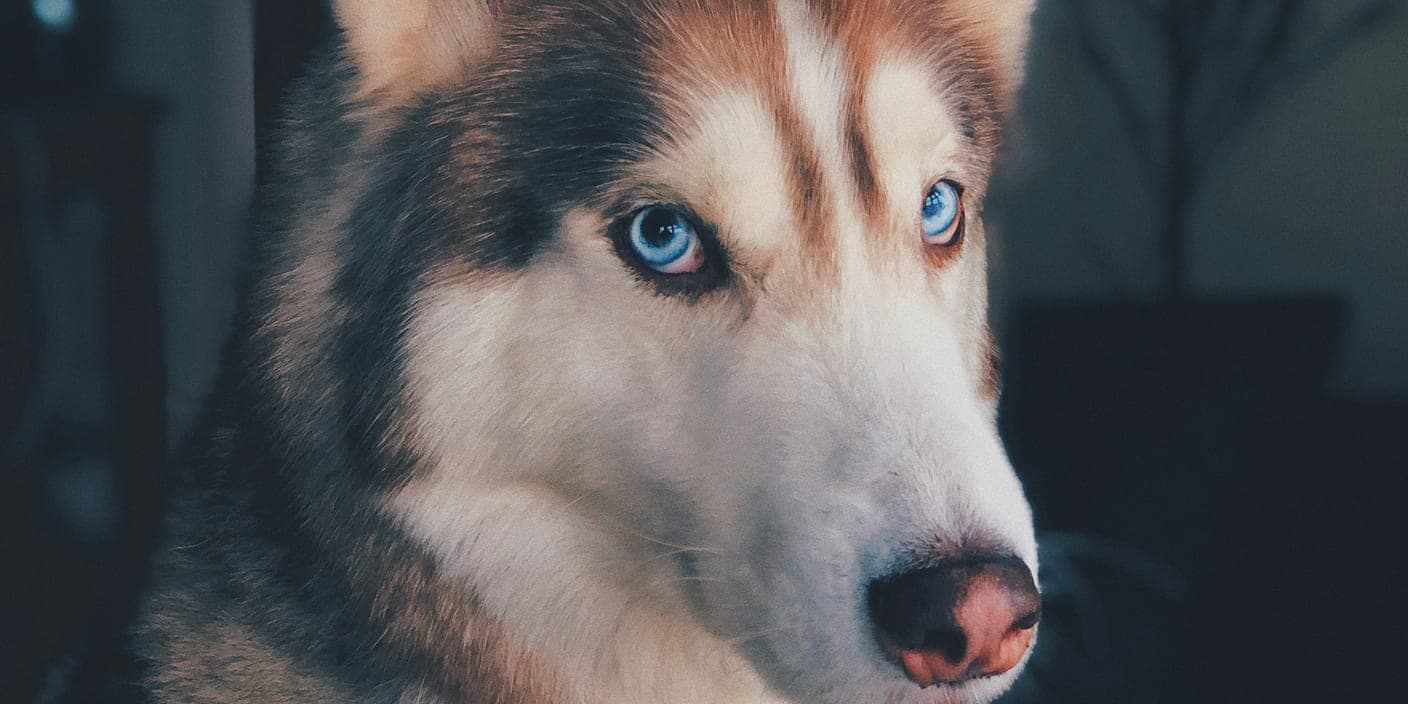
Your dog is right there — thirty metres away, looking straight at you — and won't come. It may even back off when you take a step. That feels like rejection, but it is something else: a dog in survival mode temporarily fails to recognise even familiar people as safe. And that is exactly why the most natural impulse of all fails: chasing. A scared dog outruns you every time, and every pursuit confirms its fear that humans mean danger right now. Catching is a technique — not a race. This guide covers the methods that bring home even dogs that have been loose for weeks.
Rule one: never chase, never call, never surround
Running, direct eye contact, walking straight at the dog, and even loudly calling its name — a dog in survival mode reads all of it as pursuit. Why its brain flips into that state is covered in our guide to lost dog syndrome; here only the consequence matters: every ounce of pressure widens the distance. Just as important: pass this rule on to everyone who wants to help. Tell neighbours and helpers explicitly — don't approach, don't lure, don't grab. Observe and report the location immediately. One well-meaning stranger lunging at the dog can undo days of progress and push it out of the area entirely.
Calming body language that draws a dog in
You can reverse the pull — with signals that mean “no danger” in dog language. The principle: make yourself small, boring, and quietly interesting at the same time.
- Sit or crouch on the ground side-on to the dog — never frontal — and demonstratively look away.
- Yawn, blink slowly, pretend to eat something off the ground yourself — these are strong appeasement signals.
- Toss high-value food (rotisserie chicken, sausage) underhand toward the dog without looking at it — never offer from your hand at first.
- Slowly back away while scattering food. It sounds paradoxical, but retreat triggers the follow instinct in many dogs.
- Stay silent or speak softly in a high voice — and plan in hours, not minutes. Bring a chair.
The feeding station method: anchor, don't grab
If the dog won't approach anyone — including you — stop trying to catch it and start anchoring it. Set up a feeding station at the site of a confirmed sighting: fresh, strong-smelling food at the same time every day, plus water. A trail camera in front answers the two decisive questions: is it really your dog, and when does it come? Within days a routine forms — the dog stays in the area, becomes predictable, and sheds stress. This is how most long-loose dogs are actually recovered: not by luck, but because their people knew exactly where they showed up every night.
Escalation: humane trap, magnet dog, or professionals
Once the dog feeds reliably at the station but still won't come near a person, the next step is a dog-sized humane trap — big enough for the breed, borrowed from a shelter, animal control, or a specialised lost-dog rescue group. The safety rules match cat trapping: never unattended, constant checks, weather protection. For social dogs, a “magnet dog” often works: a calm, friendly dog on a loose lead that you walk quietly through the area — many loose dogs will approach one of their own kind when they no longer trust humans. And don't hesitate to call in professionals: lost-dog trapping teams and experienced volunteers bring traps, cameras, and above all routine with exactly this situation.
Be honest about the timeline: from first feeding to capture can take days to weeks, and that is not failure — it is the path that works. Your dog is nearby, it is eating, and it calms down a little more every day. Keep your alert running in parallel: with PawAlarm, your appeal reaches the residents around the feeding station as an ad on Facebook and Instagram, and every reported sighting sharpens your picture of its route.
Frequently asked questions
- My dog sees me but runs away — why?
- That is survival mode, not rejection. Under severe stress the flight system takes over, and a dog temporarily fails to recognise even familiar people as safe. Don't take it personally — work with appeasement signals, food, and patience instead of calling and following.
- What food works best to lure a scared dog?
- Anything warm and strong-smelling: rotisserie chicken, sausage, liverwurst, tripe. The smell has to work across distance. At the feeding station, consistency beats quantity: same time, same spot, every day.
- How long does it take to catch a skittish lost dog?
- Once a dog is anchored to a feeding station, usually days to a few weeks — that is the normal course, not a bad sign. Without anchoring it can take far longer, because the dog keeps shifting areas. So: build the routine first, catch second.
- Should a big group search together and corner the dog?
- No. Groups, drives, and encircling create exactly the pressure that blasts a shy dog out of the area or into traffic. Better: one calm familiar person on site, everyone else strictly observing and reporting sightings immediately — for instance through your PawAlarm appeal.
- When is a humane trap the right tool for a dog?
- When the dog feeds reliably at the station but still won't approach a human after days. Then place the trap right at the feeding station, secure it with a trail camera, monitor it continuously — and ideally borrow it from, and be guided by, a shelter or animal rescue.
You might also like

Dog Ran Away Scared: What to Do When Your Dog Bolts in Panic
Why panicked dogs run blind and far — and how to bring a scared dog home instead of accidentally driving it further away.
8 min read

Lost Dog Syndrome: Why Your Dog Runs From You
Why a frightened dog in flight mode stops recognizing even its owner — and how to calmly win it back.
8 min read

Lost Dog: What to Do in the First 24 Hours
A calm, step-by-step action plan for the first 24 hours after your dog goes missing.
7 min read
Dog Escaped From the Car After an Accident or at a Rest Stop
Why a dog that escapes from a car far from home cannot find its way back — and how the car, the crash site and the people nearby become your search plan.
7 min read