Chances of Finding a Lost Cat: 24 Hours, 3 Days, a Week
Published · 7 min read
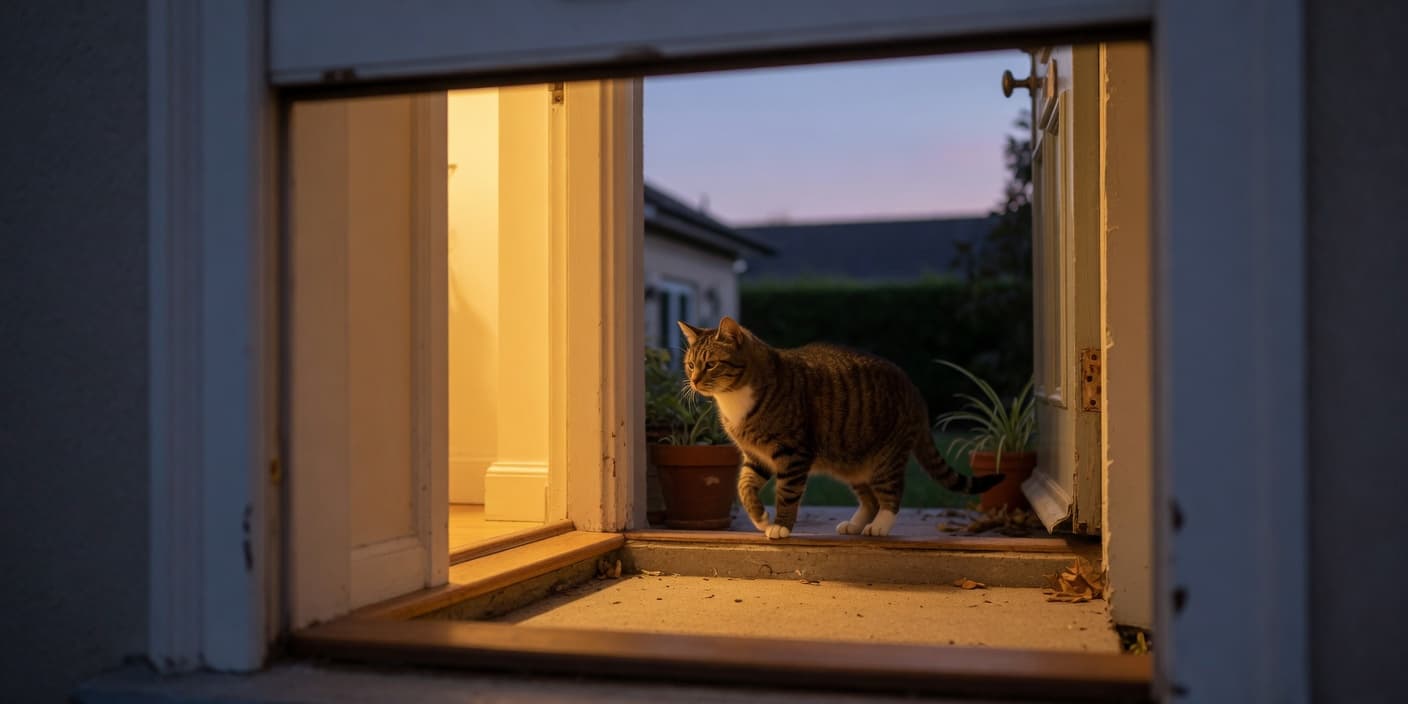
Your cat is missing, and underneath every search lies one honest question: what are the actual chances of getting it back? The short answer is better than most owners fear. Around three out of four lost cats are reunited with their owners. Most of them were never far away: the majority are found within about 500 metres of home, and an indoor-only cat that slipped out is usually hiding within two or three houses of your own front door. Here is what the odds look like after 24 hours, after three days and after a week — and what genuinely moves them in your favour.
What are the chances of finding a lost cat?
About 74% of lost cats eventually make it home. That figure, though, hides the part you control. Cats are found because somebody searched, not because somebody waited. The owners who get their cat back are overwhelmingly the ones who covered the immediate area on foot, after dark, with a torch, and who spoke to every neighbour in the surrounding streets in person.
Cats behave nothing like dogs when they go missing. A dog travels and gets picked up by a stranger. A cat does the opposite: it goes silent and hides, often only metres from where it disappeared, and it will not answer you even when you are standing right beside it. That is also why waiting for a phone call rarely works. Only around 2% of cats that end up in a shelter are ever reclaimed by their owner, largely because nobody picks up a hiding cat and takes it there. Your cat is far more likely to be found by a neighbour opening a shed than by an animal control officer.
Chances after 24 hours: your best window
In the first 24 hours your odds are at their highest, because your cat is almost certainly still very close. A cat that bolted in fear typically freezes within a few hundred metres and squeezes into the first dark, tight space it finds: under a deck, in a shed or garage, behind stacked firewood, in a crawl space, deep inside dense shrubs. Indoor-only cats stay closest of all — often less than 50 metres away, within two or three properties.
That is why the first day belongs to a physical search, not to posting in groups. Go out at dusk and after dark when it is quiet, take a torch, and sweep low: eyeshine under cars, decks and hedges gives away a cat you would otherwise never see. Call briefly, then stay silent for a full minute and listen. A hiding cat sometimes manages only one thin chirp.
Chances after 3 days: many cats come back on their own
Between 24 and 72 hours a large share of cats simply reappear, and almost always at night. Hunger and thirst eventually beat fear: after a day or two of hiding, the cat starts moving again in the small hours and often finds its own way back to the door, or to a smell it recognises. This is completely normal — and it is not a reason to stop searching in the meantime.
Make the return easy. Put the used litter tray outside, leave a worn piece of your clothing and the cat's bed by the door, and set up a small feeding station in a sheltered spot. Keep the routine identical — same place, same times, every night.
If your cat has not shown up by day three, the odds are still firmly on your side; what changes is the method. A trail camera at the feeding station tells you whether the visitor at 1 a.m. is your cat, a stray or a fox — and that single fact turns aimless searching into a targeted search. With PawAlarm your appeal also reaches the residents in a radius around the last sighting as Facebook and Instagram ads: exactly the people who own the sheds and garages your cat is most likely sitting in.
After a week, a month and beyond: when is it too late?
Roughly a third of cats that are found turn up in the first week — which means, read the other way round, that the majority are found later. Odds fall after the first fortnight, but they never fall to zero, and this is exactly where most owners give up too early. Cats are routinely found alive after 30 and 60 days, thin but healthy, sometimes only a few streets away, having lived in a barn, a garage or a boiler room and been fed by someone who assumed they were a stray.
- First 24 hours: highest odds. The cat is almost certainly within 500 metres, an indoor cat within two or three houses.
- 24 to 72 hours: many cats return on their own at night — food, litter tray and your scent belong by the door.
- Days 4 to 14: still very good odds, but now sighting-driven — feeding station, trail camera, night searches, geo-targeted alerts.
- After two weeks: the odds drop, yet recoveries keep happening. The finders are usually neighbours and vets, not shelters.
- After 60 days: keep your microchip details and your listing current — scanned chips reunite cats months and even years later.
What actually raises your odds
- Search at night, not at midday: a hiding cat's activity peaks roughly between 11 p.m. and 2 a.m. Move quietly, use a torch, and stop to listen for a full minute again and again.
- Check every shed, garage, cellar and crawl space on the neighbouring properties yourself — with permission, but in person.
- Set up a feeding station plus a trail camera at the exact spot where your cat disappeared. Only a confirmed sighting tells you where to search or where to place a humane trap.
- Reach the people within a few hundred metres rather than the whole city: only someone inside the search radius can actually go and look.
- Visit the shelter in person and ring round the vet practices every few days — a description over the phone is no substitute for your own eyes.
- Check that the phone number and address on your microchip registration are current. An unreachable owner is the most common reason microchipped cats do not get home.
The one thing that genuinely destroys good odds is stopping too early. Statistically your cat is closer than you think, it is probably silent, and it is waiting for someone to open the right door. Keep searching systematically — the numbers are on your side.
Frequently asked questions
- What are the chances of finding a lost cat after 24 hours?
- Very good — the first 24 hours are the best window you will get. The cat is almost always still within about 500 metres, and an indoor cat usually less than 50 metres away, hidden and silent. What matters now is a thorough search on foot at dusk and after dark, not a social media post.
- Will my cat come back on its own?
- Many do, usually within 24 to 72 hours and almost always at night, once hunger and thirst outweigh fear. Put the used litter tray, a worn item of your clothing and some food by the door. Keep searching in the meantime, though — an injured or shut-in cat cannot come back on its own.
- How long is too long for a cat to be missing?
- There is no deadline after which searching becomes pointless. About a third of cats are found in the first week, meaning the majority turn up later, and recoveries after 30 or 60 days are well documented. Keep your listing, feeding station and microchip details active for at least two months.
- How far do lost cats travel?
- Much less far than most people assume. The majority are found within roughly 500 metres of home or of the place they went missing. Outdoor cats cover more ground than indoor-only cats, which frequently hide within two or three properties of the door they slipped out of.
- What percentage of lost cats are found?
- Around 74% are reunited with their owners. The difference between success and failure has less to do with luck than with the search: physically checking neighbouring properties, searching at night, a feeding station with a trail camera, and an appeal that reaches residents within the right radius.
You might also like

Lost Cat: The First 24 Hours
A calm, practical guide to the crucial first 24 hours after your cat has gone missing.
6 min read

Cat Missing for 2 Days? What's Normal, What to Do, and When to Worry
What it means when your cat has been gone for days, how likely it is to come back on its own, and a day-by-day plan to bring it home faster.
7 min read
How Long Can a Lost Cat Survive? Food, Water, Weather
Cats survive outdoors for days to weeks — water, not food, is the limiting factor. What that means for your search, and when the clock really is against you.
7 min read

Where Do Lost Cats Hide? (Closer Than You Think)
Why a lost cat usually sits silently nearby — and how to search methodically in the small radius where it's actually hiding.
8 min read